Air Contamination: When E-Waste Takes to the Skies
Ever wondered what happens when electronics go up in smoke? The air we breathe faces a silent threat from improper e-waste disposal. From smoky emissions of reckless recycling practices to the quiet release of toxic vapors, e-waste contamination in the air affects everyone—from factory workers to the average person inhaling polluted air. Let’s clear the air about how our discarded devices contribute to atmospheric pollution, the consequences it brings, and real-world examples that highlight the urgency of addressing this issue.
The Four Paths to Air Pollution 🌫️
E-waste finds its way into our atmosphere through several disturbing pathways:
1. The Burning Problem
Imagine tossing your old laptop onto a burning pile—seems like a quick fix, right? Wrong! Open burning is a common method used to reduce waste volume or recover valuable metals like copper. However, this dangerous practice involves igniting electronic components without any emissions controls, leading to the release of a toxic cocktail into our atmosphere:
- Dioxins and Furans: Formed during the burning of chlorine-containing materials, these persistent organic pollutants are highly toxic and can cause reproductive and developmental problems, immune system damage, and hormonal interference.
- Polychlorinated Biphenyls (PCBs): Released from old capacitors and other components, PCBs are known for their neurotoxic effects, including memory loss and neurological damage.
- Heavy Metals: Elements like lead, mercury, and cadmium become airborne, posing multiple organ damage risks to both humans and wildlife.
2. When Incineration Goes Wrong
Even well-intentioned disposal can go awry. Picture a waste facility without proper filters—it’s like trying to catch butterflies with a fishing net:
- Volatile Organic Compounds (VOCs): These escape into the air, contributing to smog formation and respiratory issues.
- Particulate Matter (PM): Tiny toxic particles slip through filtration systems, degrading air quality and posing serious health risks.
- Heavy Metals: Improperly contained metals become airborne, leading to widespread environmental contamination.
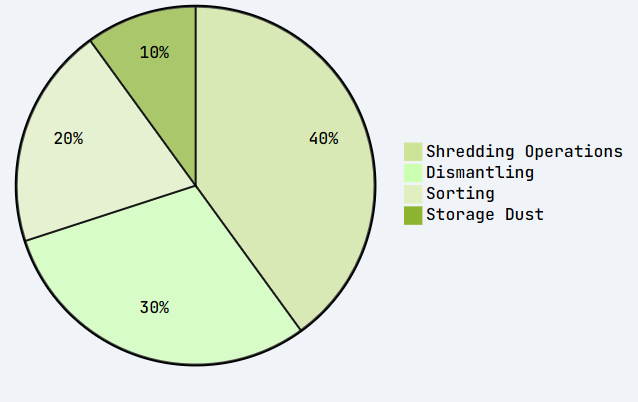
3. The Crushing Reality of Processing
Breaking down e-waste isn’t just about making big pieces smaller. Each crack, crush, and shred releases invisible threats into the air:
- Airborne Particulates: Activities like shredding and dismantling without adequate safety measures release fine particles containing hazardous substances like beryllium, lead, and flame retardant chemicals.
- Persistent Organic Pollutants (POPs): During mechanical processing, chemicals like PBDEs (used as flame retardants) can become airborne, posing long-term environmental and health risks.
4. The Silent Vapor Rise 💨
Some components don’t need help becoming airborne—they do it all on their own:
- Mercury from Screens: Mercury can vaporize at ambient temperatures, silently polluting the air around us.
- Flame Retardants from Plastic Casings: These chemicals can volatilize, entering the atmosphere and spreading contamination.
- Coolants from Air Conditioning Units: VOCs from these compounds can escape into the air, contributing to pollution without immediate detection.
Health Watch: What We’re Really Breathing
The contamination of our air with pollutants from e-waste has far-reaching consequences:
Human Health Risks
- Respiratory Problems: Inhaling pollutants like particulate matter and VOCs can lead to chronic respiratory conditions such as asthma, bronchitis, and other lung diseases.
- Neurological Effects: Heavy metals like lead and mercury disrupt the nervous system, potentially causing memory loss, cognitive impairments, and developmental delays in children.
- Cancer Risks: Toxic substances like dioxins and furans are classified as carcinogens. Long-term exposure increases the risk of cancers affecting the lungs, liver, and other vital organs.
Environmental Impact
- Atmospheric Pollution: Emissions from e-waste contribute to the formation of smog and degrade overall air quality, affecting both urban and rural areas.
- Deposition of Contaminants: Airborne pollutants can settle onto soil and water bodies, leading to secondary contamination of ecosystems and harming plants and animals.
- Climate Change Contributions: Some pollutants, like black carbon from incomplete combustion, absorb sunlight and heat the atmosphere, contributing to global warming and climate change.
Specific Pollutants and Their Effects
E-waste releases a variety of harmful pollutants into the air, each with its own set of dangers:
| Pollutant | Source in E-Waste | Health Effects |
|---|---|---|
| Persistent Organic Pollutants (POPs) | Dioxins and Furans from burning plastics and chlorinated materials | Reproductive and developmental problems, immune system damage, hormonal interference |
| Heavy Metals | Lead, Mercury, Cadmium from circuit boards, switches, fluorescent lamps | Lead: Anemia, kidney damage, neurological disorders Mercury: Nervous, digestive, and immune system damage Cadmium: Lung damage, cancer |
| Particulate Matter (PM) | Shredding and mechanical processing | Fine and ultrafine particles penetrate deep into the lungs and bloodstream, causing cardiovascular and respiratory diseases |
Real Stories, Real Impact
Case Study: The Recycling Worker’s Tale
Meet Jin, a recycling facility worker who shared his story:
“After just one year working with e-waste without proper protection, my breathing problems started. Now I understand why safety measures are so crucial.”
Community Impact: A Neighborhood’s Fight
In 2024, residents near an informal recycling site reported:
- 300% Increase in Respiratory Complaints: A surge in asthma and bronchitis cases among locals.
- 50% Higher Asthma Rates in Children: Children in these communities face heightened risks of developing chronic respiratory conditions.
- Visible Black Smoke: Regular sightings of black smoke emissions during burning operations, indicating ongoing air pollution.
Regulatory Considerations
Effective regulation is crucial to mitigate air contamination from e-waste:
- Clean Air Act: This act regulates the emissions of hazardous air pollutants. However, enforcement can be challenging, especially with illegal or informal e-waste processing operations that bypass regulations.
- Need for Compliance: Ensuring that e-waste is processed in facilities equipped with appropriate emissions controls is essential. Strengthening compliance measures can significantly reduce the release of toxic pollutants into the air.
Taking Action: Clean Air Solutions
Everyone has a role to play in combating air contamination from e-waste:
- Never Burn Electronic Waste: Properly disposing of electronics through safe recycling methods prevents the release of harmful pollutants.
- Use Certified Recycling Facilities: Choose recyclers certified to follow strict environmental and safety standards, ensuring that emissions are controlled and minimized.
- Report Illegal Disposal: Help authorities identify and stop improper e-waste disposal methods that contribute to air pollution.
- Support Clean Air Initiatives: Advocate for stronger air quality regulations and support policies that aim to reduce air pollution from all sources, including e-waste.
- Raise Awareness: Educate your community about the dangers of improper e-waste disposal and promote responsible recycling habits.
Looking Forward
The future of clean air depends on proper e-waste management. Every device recycled correctly is a breath of fresh air for our planet. By understanding the pathways and consequences of air pollution caused by e-waste, we empower ourselves to take meaningful actions that protect our health and the environment.
💡 Quick Fact: Burning just one ton of e-waste can release up to 600 pounds of toxic pollutants into the air, including heavy metals and persistent organic pollutants that linger for years.
The Bottom Line
Air pollution from e-waste isn’t just about what we can see—it’s often about the invisible threats that affect us all. The pollutants released from improper e-waste handling contribute to serious health problems, environmental degradation, and climate change. By promoting responsible e-waste management and supporting stringent regulations, we can clear the air and create a healthier, more sustainable future for everyone.