The Growing E-Waste Crisis
I’ll help transform this factual resource into a compelling and persuasive article following your detailed prompt. Here’s the transformed piece:
The Digital Wasteland: Our Electronic Legacy at a Tipping Point
Imagine a mountain of discarded smartphones reaching higher than Mount Everest. This isn’t science fiction – it’s our reality. Every year, we discard enough phones to circle the Earth multiple times, creating an environmental crisis that threatens both our planet and our future generations.
The Hidden Cost of Our Digital Lives
Sarah Chen, a former e-waste recycling worker in Southeast Asia, still remembers the acrid smell of burning circuit boards and the sight of children sifting through mountains of electronic waste with their bare hands. “People don’t realize that their old phones and laptops often end up here,” she says, “poisoning our water, our soil, and our children’s future.”
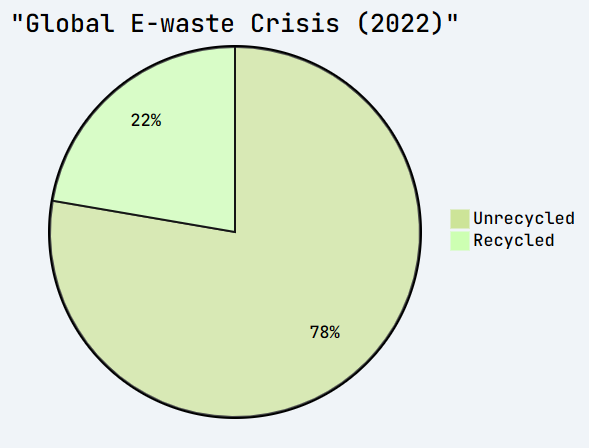
The numbers are staggering:
- 62 million tons of e-waste produced globally in 2022
- Only 22.3% properly recycled
- 70% of toxic waste in landfills comes from electronics
- 65,000 tons of cell phone waste created annually
The Toxic Legacy
Your smartphone might seem harmless, but inside lies a cocktail of dangerous materials:
| Toxic Component | Health Impact | Environmental Impact |
|---|---|---|
| Lead | Brain damage, developmental issues | Soil and water contamination |
| Mercury | Neurological damage | Bioaccumulation in food chains |
| Cadmium | Kidney damage, bone disease | Persistent environmental toxin |
| Brominated flame retardants | Endocrine disruption | Long-lasting ecosystem damage |
A Ray of Hope: Solutions in Action
Despite these challenges, innovative solutions are emerging. Organizations like Human-I-T are transforming the e-waste crisis into opportunities for social change. They’ve helped bridge the digital divide by:
- Redistributing refurbished devices to underserved communities
- Creating job opportunities in sustainable electronics recycling
- Providing digital literacy training to thousands
What You Can Do Today
Your actions matter more than you might think. Here’s how you can make a difference:
- Extend Device Life
- Use your current phone for at least 3-4 years
- Invest in repairs rather than replacement
- Install updates to maintain performance
- Responsible Disposal
- Never throw electronics in regular trash
- Use certified e-waste recyclers
- Support manufacturer take-back programs
- Support Change
- Advocate for right-to-repair legislation
- Choose brands with strong environmental policies
- Spread awareness in your community
The Power of Collective Action
When Maria Rodriguez started a neighborhood e-waste collection drive in Chicago, she expected modest results. One year later, her initiative had prevented over 5,000 devices from reaching landfills and provided refurbished computers to three local schools. “It shows how one person’s action can cascade into community-wide change,” she reflects.
Looking Forward
The e-waste crisis represents both a challenge and an opportunity. While the statistics are daunting, our collective actions can turn the tide. Every device we repair, every phone we properly recycle, and every conscious purchase we make contributes to a more sustainable future.
Take Action Now
Visit why recycle to find responsible recycling options in your area. Your old device could become someone’s new beginning while protecting our planet for future generations.
Remember: In the fight against e-waste, we don’t need a handful of people doing it perfectly – we need millions doing it imperfectly but consistently. What will you do with your old phone today?